
Designing the Perfect Screened Porch on a Budget: Smart Ideas That Feel Luxurious Without the High Price Tag
A screened porch has a way of becoming everyone’s favorite “room” in the house. It’s where morning coffee tastes better, evenings feel cooler, and weekends stretch a little longer.
But many homeowners assume building one requires a massive renovation budget.
The truth? You can design a beautiful, functional screened porch without draining your savings. The key is planning strategically, choosing cost-effective materials, and focusing on comfort over complexity.
In this guide, we’ll walk through realistic, budget-friendly ways to create the perfect screened porch — one that looks high-end but respects your financial limits.
Why a Screened Porch Is One of the Most Cost-Effective Home Upgrades


Compared to full home additions, screened porches offer:
Lower construction costs
Minimal foundation work (if built on existing patio/deck)
No major HVAC modifications
Faster project timelines
Strong return on investment
You’re essentially upgrading space you already have — not building from scratch.
That’s what makes it ideal for homeowners working with a limited budget.
Step 1: Start With What You Already Have
One of the smartest ways to design an affordable screened porch is to use your existing structure.
Ask yourself:
Do you already have a concrete patio?
Is there a covered deck?
Can the current roofline support screening?
Converting an existing patio into a screened porch is significantly cheaper than building new foundations or roof systems.
This single decision can save thousands.
Budget-Friendly Screened Porch Materials That Still Look High-End
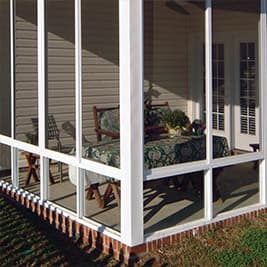


Choosing materials wisely makes all the difference.
Aluminum Framing
Lightweight, affordable, and resistant to corrosion. Great for long-term durability without high cost.
Fiberglass Screen Mesh
Cost-effective and widely used. Provides airflow and visibility while keeping insects out.
Pressure-Treated Wood
Budget-friendly structural option that can be painted or stained for a custom look.
Vinyl Screen Systems
Low-maintenance and clean appearance.
You don’t need premium exotic materials to achieve a polished design — just thoughtful selection.
How to Design a Screened Porch Layout That Maximizes Small Spaces
If you’re building on a budget, space efficiency matters.
Use Defined Zones
Create clear areas for:
Dining
Relaxing
Reading
Choose Multi-Functional Furniture
Storage benches or foldable tables save money and space.
Keep Traffic Flow Open
Avoid overcrowding with oversized furniture.
A smaller porch that feels open and intentional often looks more luxurious than a large, cluttered one.
The Average Cost of Building a Screened Porch on a Budget
Costs vary depending on:
Size
Materials
Labor rates
Electrical additions
Roofing modifications
However, budget-conscious homeowners can keep costs manageable by:
Limiting custom features
Avoiding unnecessary add-ons
Selecting standard screen mesh
Using existing foundations
Planning carefully prevents surprise expenses.
DIY vs Professional Installation: Where to Save and Where Not To
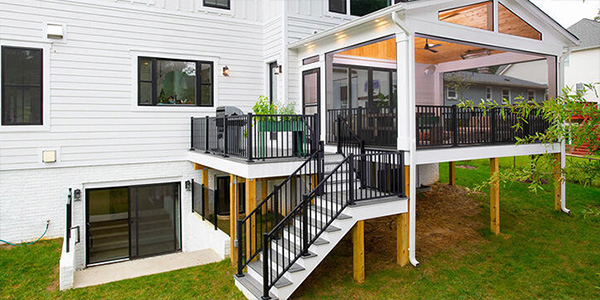


DIY can reduce labor costs — but it’s not always cheaper long-term.
DIY makes sense for:
Simple panel installation
Basic framing
Minor upgrades
Professional help is better for:
Structural framing
Roof tie-ins
Electrical wiring
Permits and code compliance
Cutting corners on structural work can cost more later.
Affordable Design Features That Instantly Elevate Your Screened Porch
You don’t need expensive upgrades to create a polished look.
String Lighting or LED Fixtures
Soft lighting transforms atmosphere instantly.
Outdoor Rugs
Define space and add color.
Neutral Paint Colors
Light tones make the porch feel bigger.
Ceiling Fans
Improve airflow and comfort affordably.
Small, thoughtful upgrades make a major visual impact.
How to Make Your Budget Screened Porch Feel Like an Outdoor Living Room


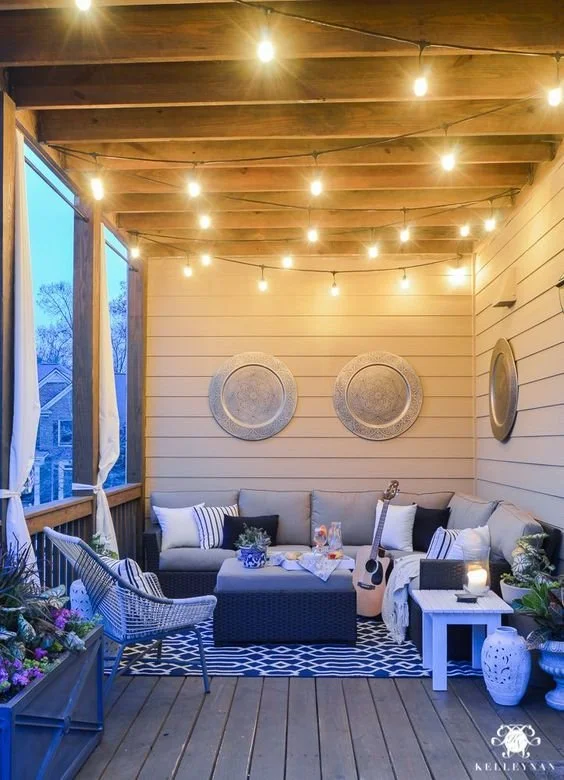
The goal isn’t just to “screen it in.” It’s to create a space you actually want to use.
Add:
Comfortable seating
Throw pillows
Indoor-style decor
Potted plants
Soft lighting
These details cost little but dramatically increase comfort.
Energy Efficiency Benefits of a Screened Porch Addition
A screened porch:
Provides shade
Reduces direct sunlight on exterior walls
Keeps interior spaces cooler
Improves airflow
In warmer climates, this can reduce cooling costs — making it a smart long-term investment.
Common Budget Mistakes to Avoid When Designing a Screened Porch
Overspending on unnecessary upgrades
Ignoring permit requirements
Choosing low-quality mesh that tears quickly
Underestimating furniture costs
Skipping professional consultation for structural concerns
A modest but well-planned porch outperforms an overbuilt, underused one.
Does a Budget Screened Porch Increase Home Value?
Yes — especially when:
It looks cohesive with the home
Materials are durable
The space feels functional
Maintenance appears minimal
Buyers often see screened porches as bonus living areas.
Even budget-friendly projects can improve market appeal.
Long-Term Maintenance Tips to Protect Your Investment
Clean screens seasonally
Inspect fasteners annually
Tighten loose panels
Seal wood framing
Trim nearby landscaping
Maintenance extends lifespan and protects your budget-friendly investment.
Real-Life Example: Turning a Plain Patio Into a Budget-Friendly Retreat
Many homeowners start with a basic concrete slab and simple roof.
By adding:
Affordable aluminum framing
Standard fiberglass mesh
String lights
A small dining set
They create a peaceful retreat for a fraction of the cost of a full addition.
It’s not about square footage — it’s about smart design.
Final Thoughts: You Don’t Need a Big Budget to Design the Perfect Screened Porch
Designing the perfect screened porch on a budget is absolutely achievable.
With strategic planning, cost-effective materials, and thoughtful design choices, you can create:
A relaxing retreat
A dining space
A bug-free lounge
A shaded outdoor extension of your home
Luxury isn’t about spending more — it’s about designing smarter.
Your dream porch may be more affordable than you think.


