
If your screen door sticks, squeaks, has torn mesh, or slams shut behind you, you’ve probably asked yourself: Is screen door replacement really worth it?
It’s easy to overlook a screen door. After all, it’s not as dramatic as replacing a roof or remodeling a kitchen. But this simple upgrade can significantly improve airflow, comfort, security, curb appeal, and even your home’s value.
In this detailed guide, we’ll break down the true cost, long-term value, benefits, and when replacing your screen door makes financial and practical sense.
Why Homeowners Often Delay Screen Door Replacement (And Why They Shouldn’t)
Many homeowners put off replacing their screen door because:
“It still works… kind of.”
It seems like a minor issue.
They assume replacement is expensive.
It’s not urgent compared to other repairs.
But a worn-out screen door quietly impacts your home every day — from higher cooling costs to unwanted pests.
Let’s explore why replacing it can be a smart investment.
Signs Your Screen Door Needs Replacement Instead of Repair


Before deciding if replacement is worth it, look for these warning signs:
1. Torn or Sagging Mesh
Small holes turn into larger tears quickly. This invites insects inside and reduces airflow efficiency.
2. Rusted or Corroded Frame
Especially common in humid or coastal areas, corrosion weakens structural integrity.
3. Warped or Bent Frame
A door that doesn’t align properly wastes energy and looks unappealing.
4. Faulty Rollers or Hinges
Constant sticking and dragging indicates worn hardware.
If multiple issues are present, replacement often costs less long-term than repeated repairs.
What Does Screen Door Replacement Actually Cost?
The cost varies depending on:
Type of screen door (sliding, hinged, retractable)
Material (aluminum, vinyl, wood)
Custom sizing
Labor rates in your area
On average, homeowners can expect moderate investment compared to major home improvements. But the key question isn’t just cost — it’s value.
The Real Benefits of Replacing Your Screen Door
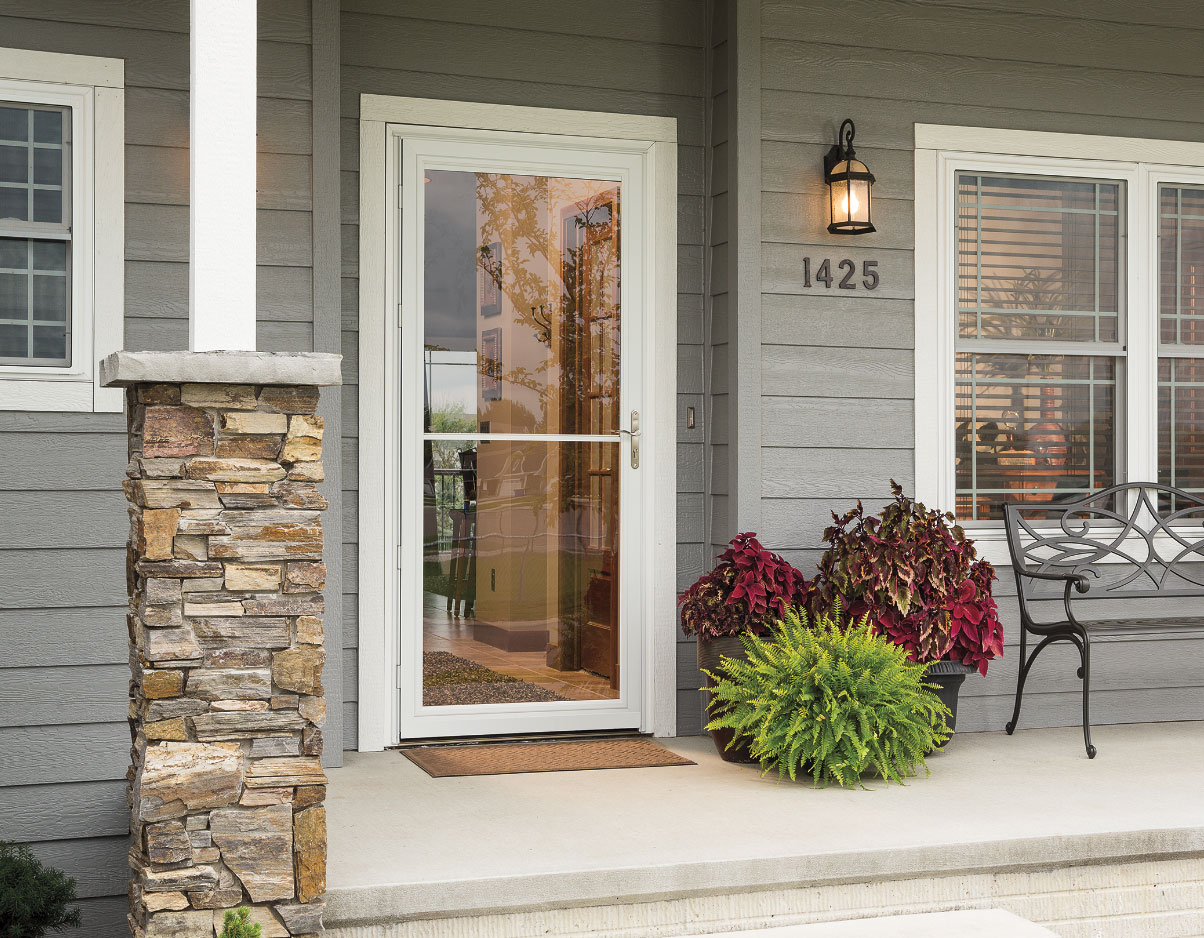


1. Improved Airflow and Ventilation
A new screen door allows fresh air to circulate freely without letting pests inside. Proper airflow can reduce dependence on air conditioning during cooler months.
2. Enhanced Energy Efficiency
When your main door stays open for natural ventilation, your HVAC system works less. Over time, this may reduce energy bills.
3. Increased Home Value and Curb Appeal
A damaged screen door is noticeable. A new one:
Looks clean and modern
Improves entryway appearance
Signals proper home maintenance
Small upgrades often influence buyer perception.
4. Better Pest Protection
Old mesh can stretch and weaken. High-quality new screens block:
Mosquitoes
Flies
No-see-ums
Debris
5. Enhanced Security Options
Modern screen doors offer reinforced frames and locking mechanisms, adding an extra layer of protection.
How Screen Door Replacement Pays Off Over Time
Think of it this way:
A damaged screen door causes:
Increased cooling costs
More frequent pest control
Potential damage from drafts
Premature wear on main entry doors
Replacing it prevents ongoing minor expenses from adding up.
In real estate, small improvements often generate strong ROI because they enhance first impressions.
Different Types of Screen Doors and Their Investment Value
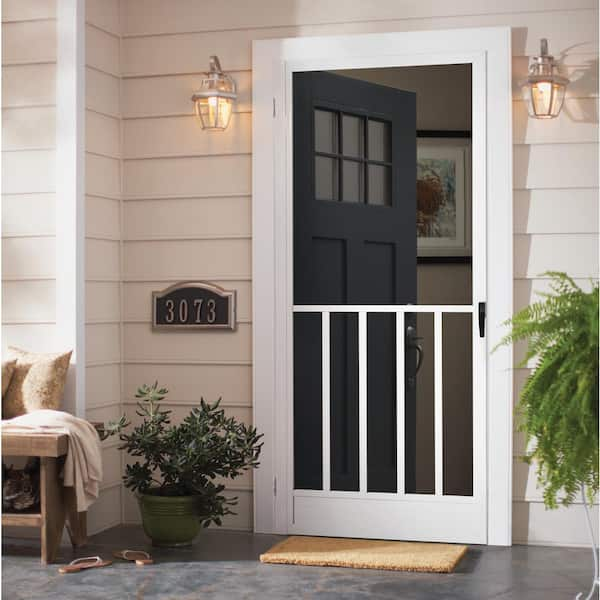

Hinged Screen Doors
Affordable and simple. Ideal for front or back entries.
Sliding Screen Doors
Common for patios. Easy access and excellent airflow.
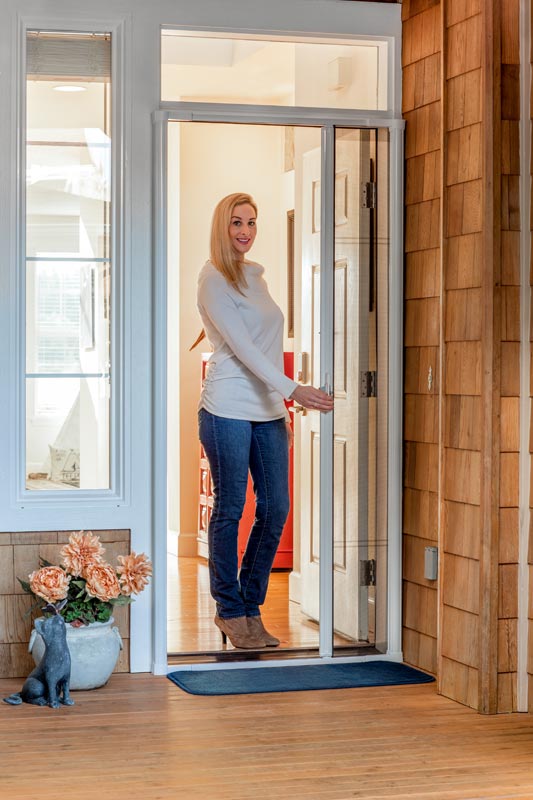
Retractable Screen Doors
Modern and discreet. Higher upfront cost but sleek design.
Security Screen Doors
Stronger frames with advanced locks. Added safety value.
Choosing the right type increases both functionality and return on investment.
Repair vs Replacement: Which Is More Cost-Effective?
Repair may make sense if:
Damage is minor
Frame is intact
Hardware functions properly
Replacement makes sense if:
Frame is warped
Corrosion is present
Multiple repairs have already been done
Door is over 10–15 years old
Repeated repairs can exceed the cost of a brand-new unit.
DIY Screen Door Replacement vs Hiring a Professional
DIY may save labor costs but can result in:
Incorrect measurements
Improper alignment
Poor sealing
Reduced lifespan
Professional installation ensures:
Proper fit
Smooth operation
Warranty protection
Long-term durability
If you want maximum value from your investment, professional installation is often worth it.
When Is the Best Time to Replace a Screen Door?
The ideal time is before peak summer heat or insect season. Spring and early fall are popular because:
Weather is moderate
Contractors have availability
You can immediately enjoy improved ventilation
Waiting until damage worsens may increase urgency — and cost.
How a New Screen Door Improves Daily Living
It’s not just about money.
A new screen door offers:
Quiet operation
Smooth sliding or swinging
Better natural light
Improved indoor comfort
These daily conveniences create long-term satisfaction that’s difficult to measure purely in dollars.
Is Screen Door Replacement Worth It for Rental Properties?
Absolutely.
Landlords benefit from:
Lower maintenance calls
Better tenant satisfaction
Reduced pest complaints
Stronger property presentation
It’s a small upgrade that protects long-term rental income.
Final Verdict: Is Screen Door Replacement Worth the Investment?
For most homeowners, yes — replacing a worn or outdated screen door is worth the investment.
It enhances:
Comfort
Energy efficiency
Pest control
Security
Property value
Compared to major renovations, it’s a relatively affordable upgrade with noticeable everyday benefits.
If your current screen door causes frustration more often than convenience, replacement is likely the smarter financial decision.


