
If you own a screened patio, pool cage, or porch enclosure, you already know how valuable it is. It keeps bugs out, reduces debris, and allows you to enjoy outdoor living comfortably.
But when damage happens — torn screens, rusted frames, loose panels — the big question becomes:
Should you repair your screen enclosure… or replace it entirely?
At first glance, repairs seem cheaper. But in some cases, replacement may actually save you money in the long run.
This detailed guide breaks down real-world costs, long-term value, and key factors that determine which option makes the most financial sense.
Understanding the Real Purpose of Your Screen Enclosure


Before diving into cost comparison, it helps to understand what your enclosure actually protects:
Patio furniture
Pool area
Outdoor kitchens
Pets and children
Interior cooling efficiency
Overall home appearance
Because enclosures are constantly exposed to sun, wind, humidity, and storms, wear and tear is inevitable.
The key is knowing when small issues remain small — and when they signal larger structural concerns.
When Screen Enclosure Repair Makes Financial Sense
Repair is often the right choice when damage is minor and isolated.
Common Repair Situations
Small screen tears
Loose spline or edging
A few damaged panels
Minor fastener replacements
Limited storm damage
In these cases, repairing only the affected sections can extend your enclosure’s lifespan at a relatively low cost.
Why Repair Can Be Cost-Effective
Lower upfront expense
Faster turnaround time
Minimal disruption
No structural reconstruction required
If your frame is still solid and corrosion-free, targeted repairs can add several more years of use.
Average Cost of Screen Enclosure Repairs
Repair costs vary depending on:
Size of damaged area
Type of mesh
Accessibility
Height of structure (pool cages cost more due to height)
Labor rates in your area
Minor panel rescreening is generally affordable. However, repeated repairs over time can add up.
This is where homeowners must think long-term instead of short-term.
When Screen Enclosure Replacement Becomes the Smarter Investment


There comes a point when repairs stop being practical.
Signs Replacement Is the Better Option
Extensive rust or corrosion
Structural instability
Multiple torn panels
Frame bending or warping
Enclosure over 15–20 years old
Frequent storm damage
If your enclosure needs repair every year, those costs compound quickly.
Comparing Short-Term Savings vs Long-Term Value
Here’s where many homeowners miscalculate.
Repair may cost less today — but consider:
How many times will you need future repairs?
Will frame corrosion continue spreading?
Are outdated materials less durable?
Does the enclosure look worn or reduce curb appeal?
Replacement requires higher upfront investment, but it resets the clock on:
Structural integrity
Warranty coverage
Modern materials
Improved durability
Cost Breakdown: Repair vs Replacement Over 10 Years
Let’s look at a realistic scenario:
Scenario A: Repeated Repairs
Small panel repair this year
Additional tear repair next year
Fastener and spline replacements
Frame reinforcement
Over time, these incremental costs can approach a significant percentage of full replacement.
Scenario B: Full Replacement
Higher upfront cost
New aluminum framing
Upgraded screen mesh
Warranty protection
Reduced maintenance
In many cases, homeowners who replace older enclosures avoid years of piecemeal expenses.
Material Advances: Why New Screen Enclosures Last Longer

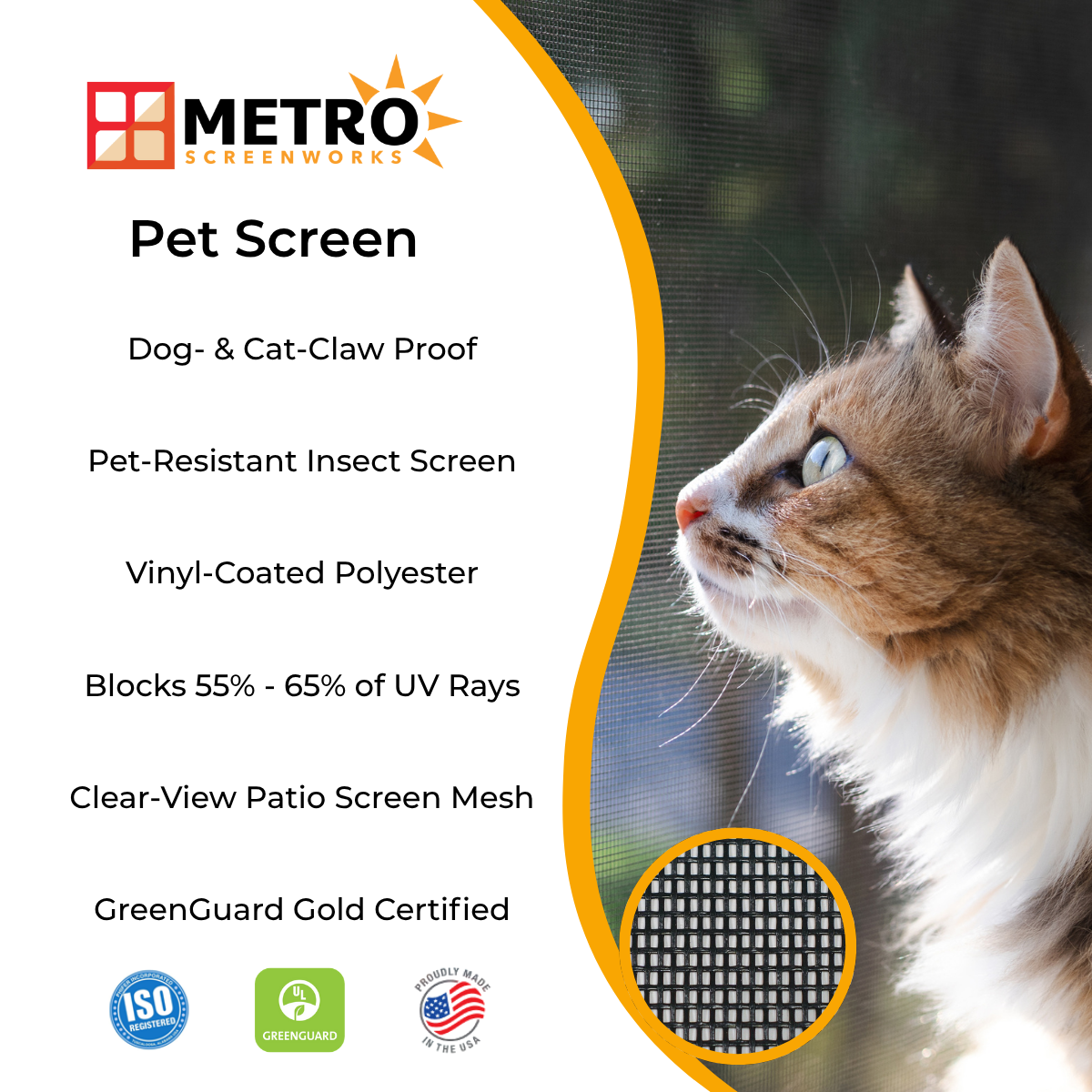

Modern enclosures offer:
Heavy-duty fiberglass mesh
Pet-resistant screening
Stronger spline retention systems
Powder-coated aluminum frames
Improved hurricane anchoring
Older structures may not meet today’s durability standards.
Upgrading means fewer future problems.
How Weather Impacts the Repair vs Replacement Decision
In storm-prone or coastal regions, corrosion spreads faster.
High humidity and salt exposure can weaken:
Frame joints
Anchoring points
Fasteners
Support beams
If structural components are compromised, repairs may only mask larger issues.
Replacement provides a clean slate.
Energy Efficiency and Comfort Considerations
A new enclosure can:
Reduce heat penetration
Improve airflow
Enhance shading
Increase overall usability
Older, sagging screens reduce performance and appearance.
While repair restores function, replacement enhances performance.
Does Replacement Increase Home Value?
Yes — especially if the enclosure:
Looks outdated
Shows visible rust
Has mismatched repairs
Appears structurally weak
Buyers notice outdoor living spaces. A new enclosure enhances presentation and perceived maintenance quality.
In competitive markets, this matters.
Repair vs Replacement: Questions to Ask Yourself
Before deciding, ask:
How old is my enclosure?
Is the frame structurally sound?
Have I repaired it multiple times already?
Are repair costs increasing?
Does it still look attractive?
Will replacement reduce future maintenance?
If you answer “yes” to several structural concerns, replacement may be wiser.
Professional Inspection: The Smart First Step
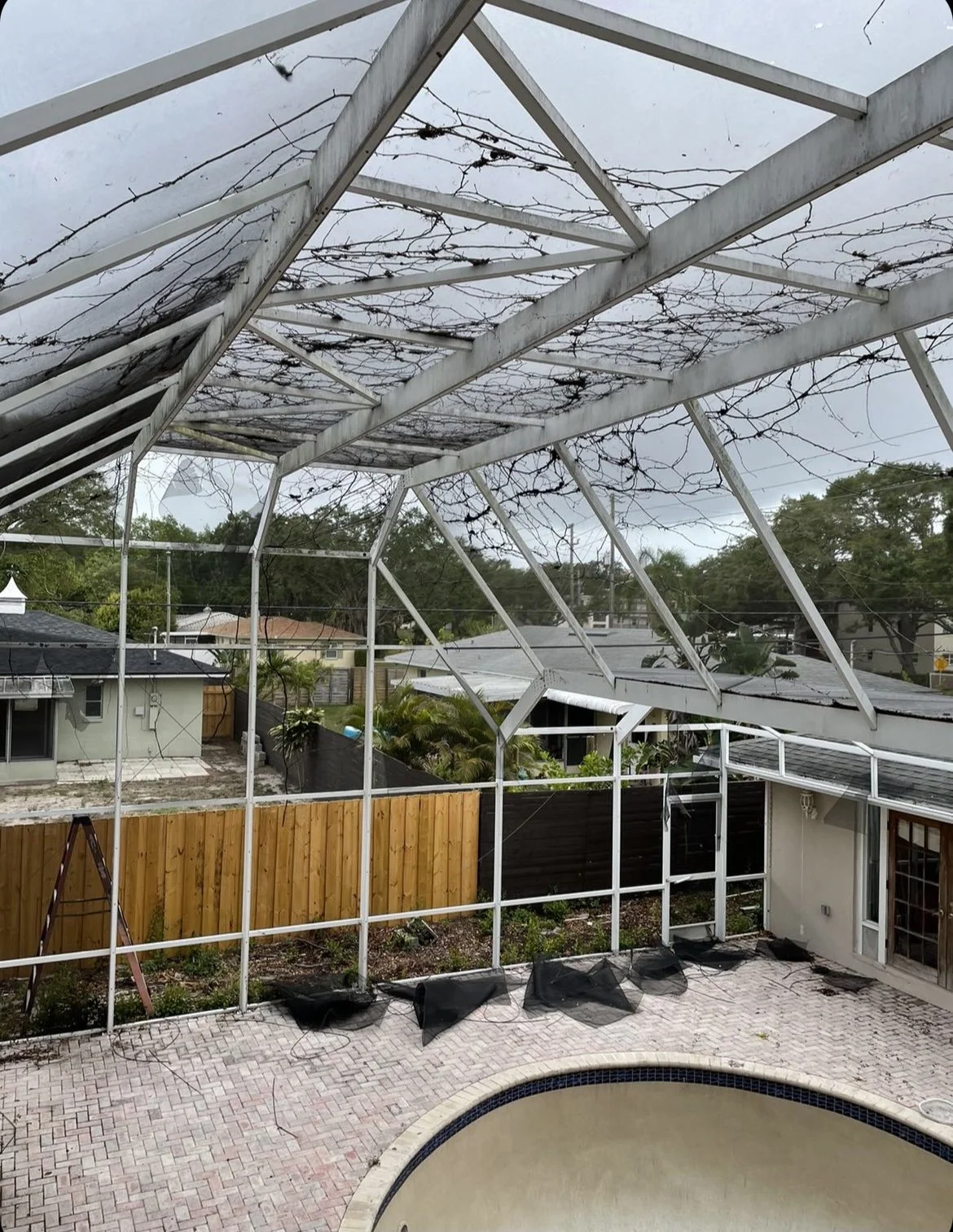
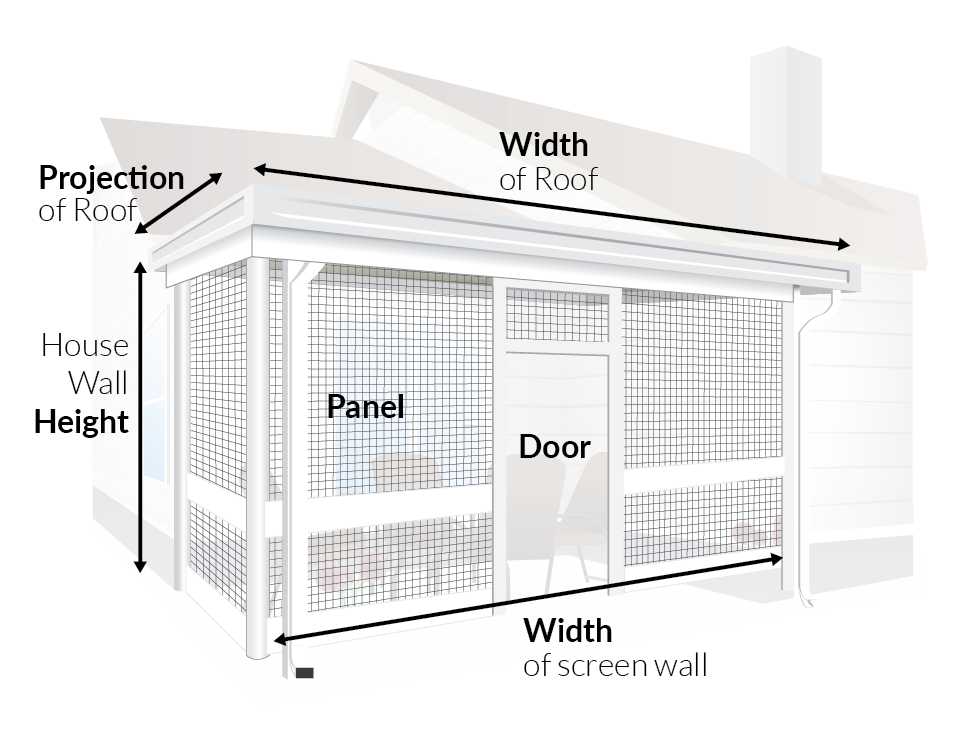
A qualified professional can assess:
Frame integrity
Corrosion severity
Structural anchoring
Screen tension
Storm resilience
Many homeowners assume replacement is necessary — only to discover repair is sufficient.
Others assume repair is enough — when structural damage says otherwise.
An expert evaluation prevents costly mistakes.
Hidden Costs Homeowners Often Overlook
When comparing repair and replacement, consider:
Repainting corroded frames
Structural reinforcement
Frequent service calls
Temporary patchwork
Reduced aesthetic value
Small ongoing expenses quietly accumulate.
The Emotional Factor: Peace of Mind
Financial math matters — but so does confidence.
A newly replaced enclosure offers:
Warranty protection
Structural security
Modern appearance
Reduced stress during storms
There’s value in knowing your outdoor space is secure and durable.
Final Verdict: Should You Repair or Replace Your Screen Enclosure?
There’s no one-size-fits-all answer.
Repair Is Best When:
Damage is minimal
Frame is strong
Enclosure is relatively new
Repairs are isolated
Replacement Is Best When:
Frame corrosion is widespread
Repairs are frequent
Structure is aging
Long-term durability matters more than short-term savings
If your enclosure is approaching two decades old, replacement often becomes the smarter long-term financial decision.
If damage is minor and isolated, repair can extend lifespan affordably.
The key is evaluating total cost over time — not just today’s estimate.


