
Sliding glass doors are one of the best features in a home. They let in natural light, create a seamless indoor-outdoor flow, and make patios feel like an extension of your living room.
But the screen that accompanies that door? It often gets overlooked — until it stops working properly.
If you’re replacing a worn or damaged screen, you’ve likely run into this question:
Should you buy a standard sliding door screen or invest in a custom-built one?
At first glance, standard options look cheaper and easier. But custom screens promise better fit, smoother operation, and longer durability.
This guide will help you compare both options realistically so you can make the smartest investment for your home.
Understanding the Role of a Sliding Door Screen in Your Home


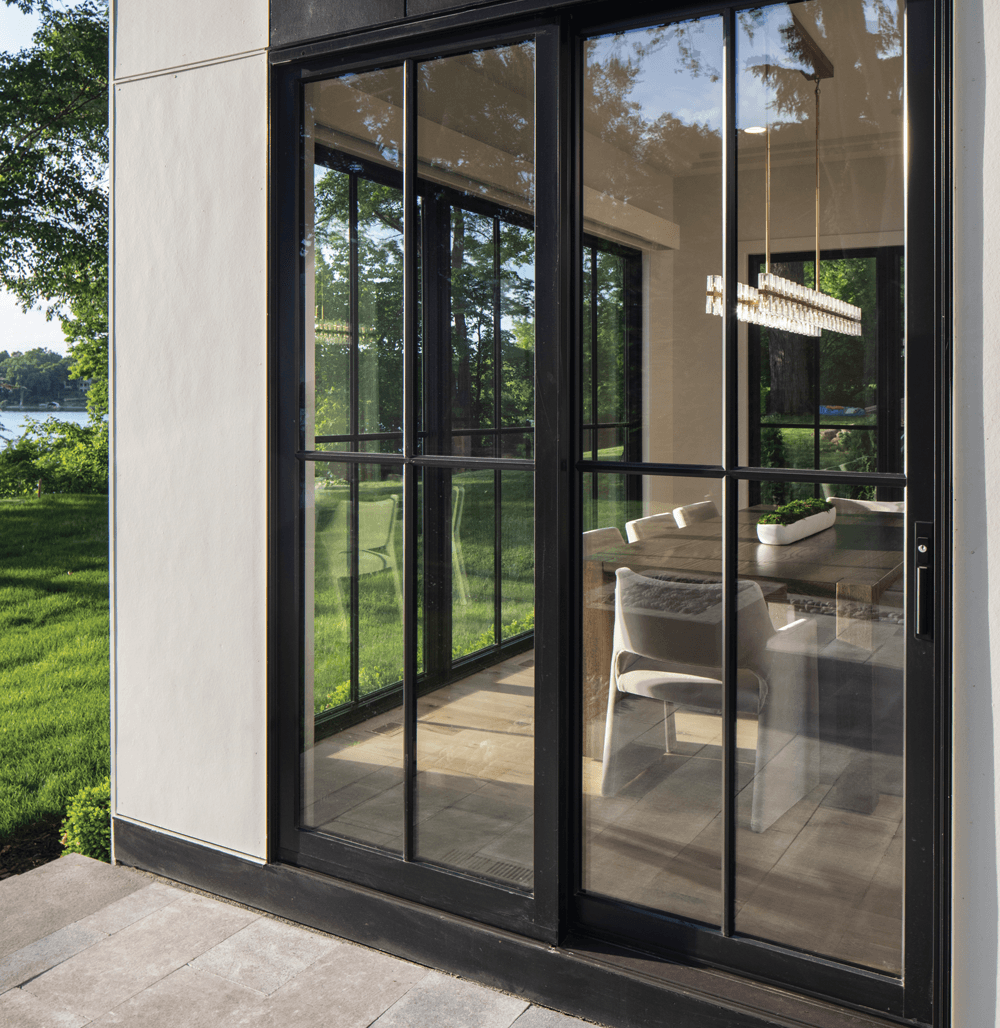
A sliding door screen isn’t just a “bonus feature.” It plays an important role in:
Allowing airflow without insects
Reducing cooling costs through ventilation
Improving indoor comfort
Protecting from debris
Enhancing home aesthetics
When the screen doesn’t glide properly, doesn’t align, or has torn mesh, daily convenience disappears quickly.
Choosing the right replacement matters more than most homeowners realize.
What Is a Standard Sliding Door Screen?
A standard sliding door screen is:
Pre-manufactured
Available in common sizes
Typically adjustable within a limited range
Sold at hardware stores or home improvement centers
They are designed to fit “most” sliding doors — but not necessarily yours perfectly.
What Is a Custom Sliding Door Screen?


A custom sliding door screen is:
Built to your exact door measurements
Designed to match your frame specifications
Available in upgraded materials
Professionally assembled or installed
Custom screens focus on precision and long-term performance.
Cost Comparison: Standard vs Custom Sliding Door Screens
One of the biggest deciding factors is price.
Standard Sliding Door Screen Costs:
Lower upfront cost
Available immediately
Minimal customization
Custom Sliding Door Screen Costs:
Higher initial investment
Professional measurement required
Premium material options
However, upfront price isn’t the only cost to consider. Longevity and performance matter too.
Why Fit Matters More Than You Think
A poorly fitting screen leads to:
Gaps that allow insects inside
Rattling during wind
Uneven sliding
Premature roller wear
Frame bending
Standard screens may “almost” fit — but even small measurement differences affect function.
Custom screens eliminate guesswork.
Durability Differences Between Standard and Custom Options

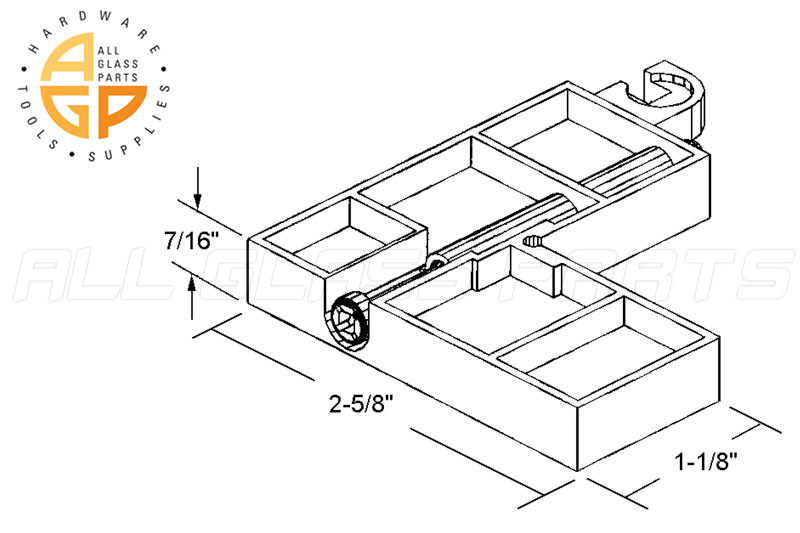
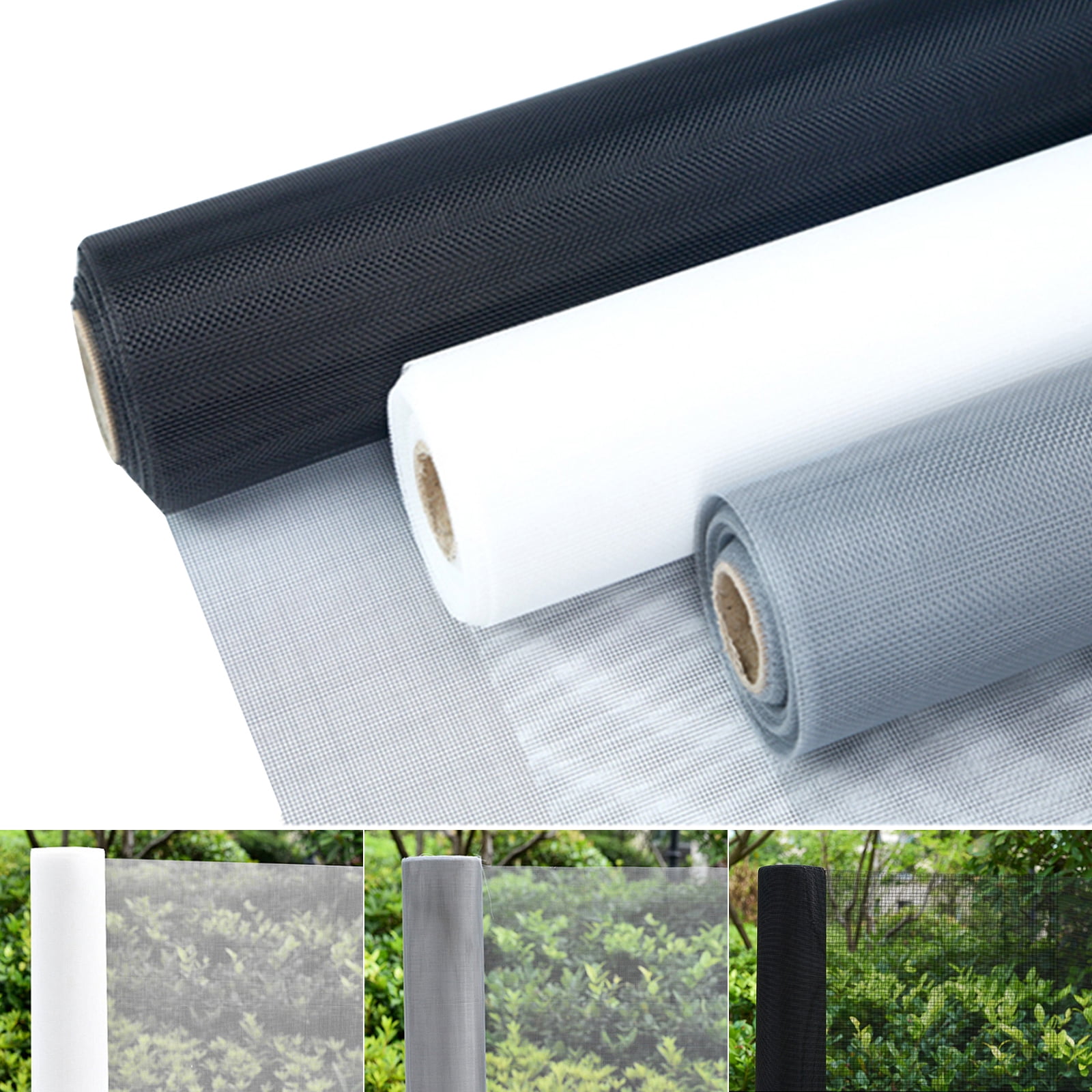
Standard models often use:
Lightweight aluminum frames
Basic fiberglass mesh
Standard plastic rollers
Custom options can include:
Reinforced aluminum frames
Stainless steel hardware
Heavy-duty mesh
Pet-resistant screening
Solar screen material
If you have pets, high traffic, or strong weather exposure, durability becomes crucial.
When a Standard Sliding Door Screen Is the Right Choice
A standard screen may work well if:
Your door size matches common dimensions
You need a quick, temporary replacement
Budget is your top priority
The door opening is not warped or irregular
For newer homes with standard sliding door sizes, a pre-made option may function adequately.
When a Custom Sliding Door Screen Is Worth the Investment
Custom screens make sense if:
Your door frame is slightly irregular
Previous standard screens didn’t slide properly
You want higher-quality mesh
You need pet-resistant material
You plan to stay in your home long-term
You want smoother, quieter operation
For homeowners who value long-term reliability, custom often pays off.
Sliding Performance: Why Rollers and Track Alignment Matter
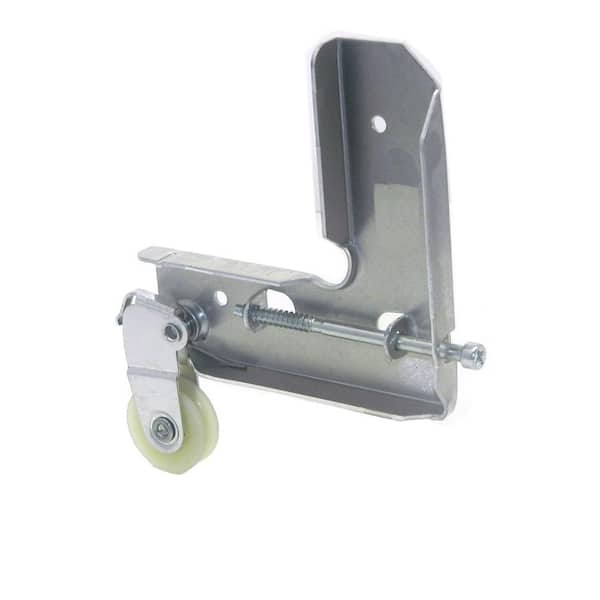

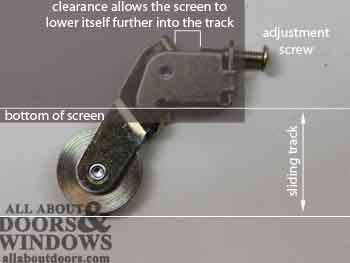
Sliding performance depends on:
Roller quality
Track condition
Frame alignment
Weight balance
Standard screens may use lower-grade rollers that wear quickly.
Custom screens typically use higher-grade components designed for smoother motion and longer life.
If you’re tired of forcing your screen open, quality matters.
Energy Efficiency and Airflow Considerations
A properly fitted screen:
Improves airflow
Encourages cross-ventilation
Reduces AC reliance during mild weather
Custom options allow you to choose mesh density based on:
Bug protection
Privacy
Solar heat reduction
Standard screens typically offer limited mesh choices.
Aesthetic Impact: Does It Really Matter?
Yes.
Your sliding door is highly visible from both inside and outside.
A poorly fitted screen can:
Look crooked
Sag in the middle
Clash with frame color
Reduce curb appeal
Custom screens can match:
Frame color
Existing door hardware
Home exterior style
These small details improve overall appearance.
Long-Term Cost Comparison Over 5–10 Years
Here’s where many homeowners rethink their choice.
A cheaper standard screen may:
Need replacement sooner
Develop roller issues
Warp under sun exposure
A custom screen may:
Last longer
Require fewer adjustments
Reduce replacement frequency
Over time, the cost gap narrows significantly.
DIY Installation vs Professional Custom Installation
Standard screens are often DIY-friendly.
Custom screens are typically:
Measured professionally
Installed precisely
Adjusted for optimal alignment
Improper installation can:
Void warranties
Cause premature wear
Lead to misalignment
If you want maximum performance, professional fitting ensures correct operation.
Questions to Ask Before Deciding
Is my sliding door a standard size?
Has my frame shifted or settled over time?
Do I have pets that damage screens?
How long do I plan to stay in this home?
Am I replacing screens frequently?
Do I want better airflow or solar protection?
Answering these honestly helps clarify the best choice.
Real-Life Scenario Comparison
Homeowner A:
Chooses a standard screen to save money.
It fits loosely and requires adjustments every few months.
Homeowner B:
Invests in a custom screen.
It glides smoothly, matches the frame, and lasts years without issue.
The difference isn’t just cost — it’s daily convenience.
Final Verdict: Standard or Custom Sliding Door Screen?
There’s no universal answer — only the right answer for your situation.
Choose Standard If:
Your door size is common
You need a quick solution
Budget is tight
It’s a short-term fix
Choose Custom If:
Fit and smooth operation matter
Durability is a priority
Your door frame is irregular
You want premium materials
You plan long-term homeownership
If you’ve replaced standard screens multiple times, upgrading to custom may actually save money over time.


