
Choosing the Right Screen Mesh for Your Climate
When homeowners install or replace patio screens, pool cage screens, or window screens, one important decision is often overlooked — choosing the right screen mesh for your climate.
Not all screen materials are the same. A mesh that performs well in mild weather may fail quickly in areas with intense sun, high humidity, heavy rain, or coastal salt air.
If you’ve searched for:
“best screen mesh for hot climates”
“UV resistant pool screen material”
“durable screen mesh for coastal homes”
This guide will help you understand your options and make the best long-term investment for your home.
Why Climate Matters When Selecting Screen Mesh
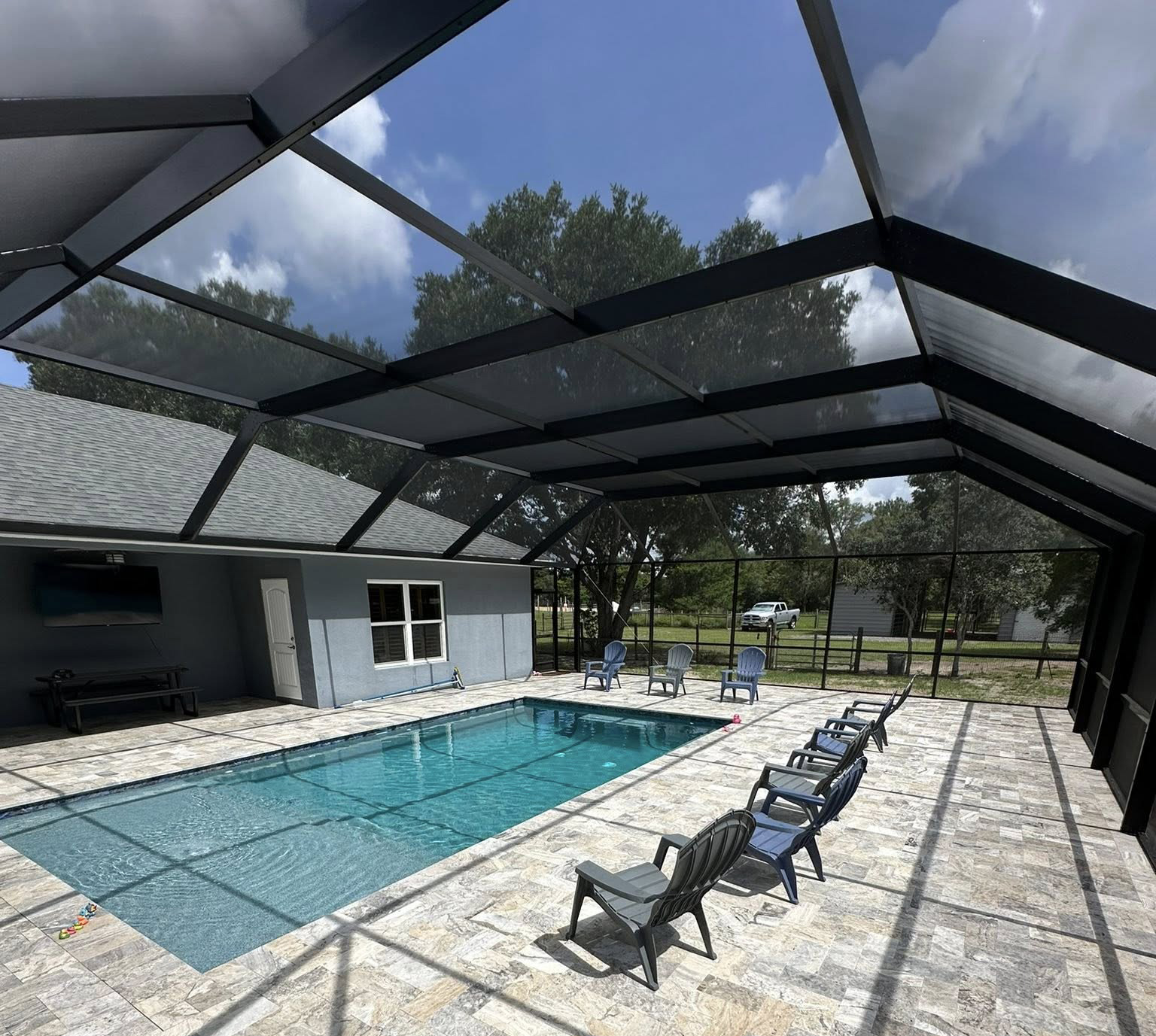
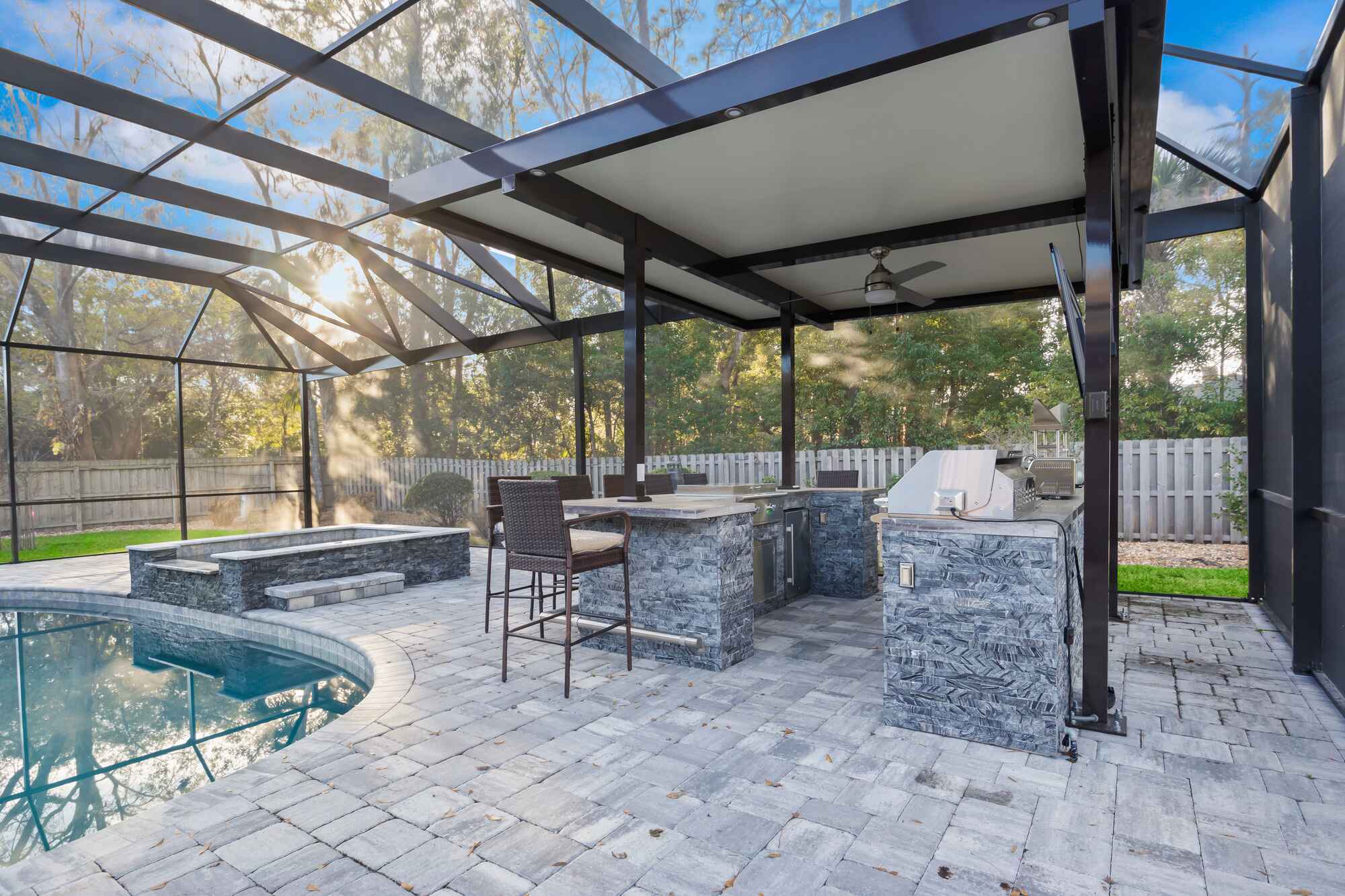
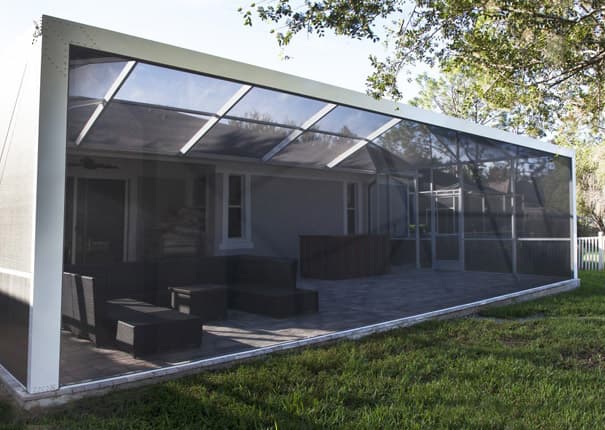
Your screen enclosure is constantly exposed to outdoor elements. Climate directly affects:
Screen lifespan
Durability
Insect protection
Airflow performance
Maintenance requirements
Choosing the wrong mesh type can lead to frequent repairs, fading, tearing, and higher long-term costs.
Understanding the Most Common Types of Screen Mesh Materials
Before choosing the best screen mesh for your region, it’s important to understand the available materials.
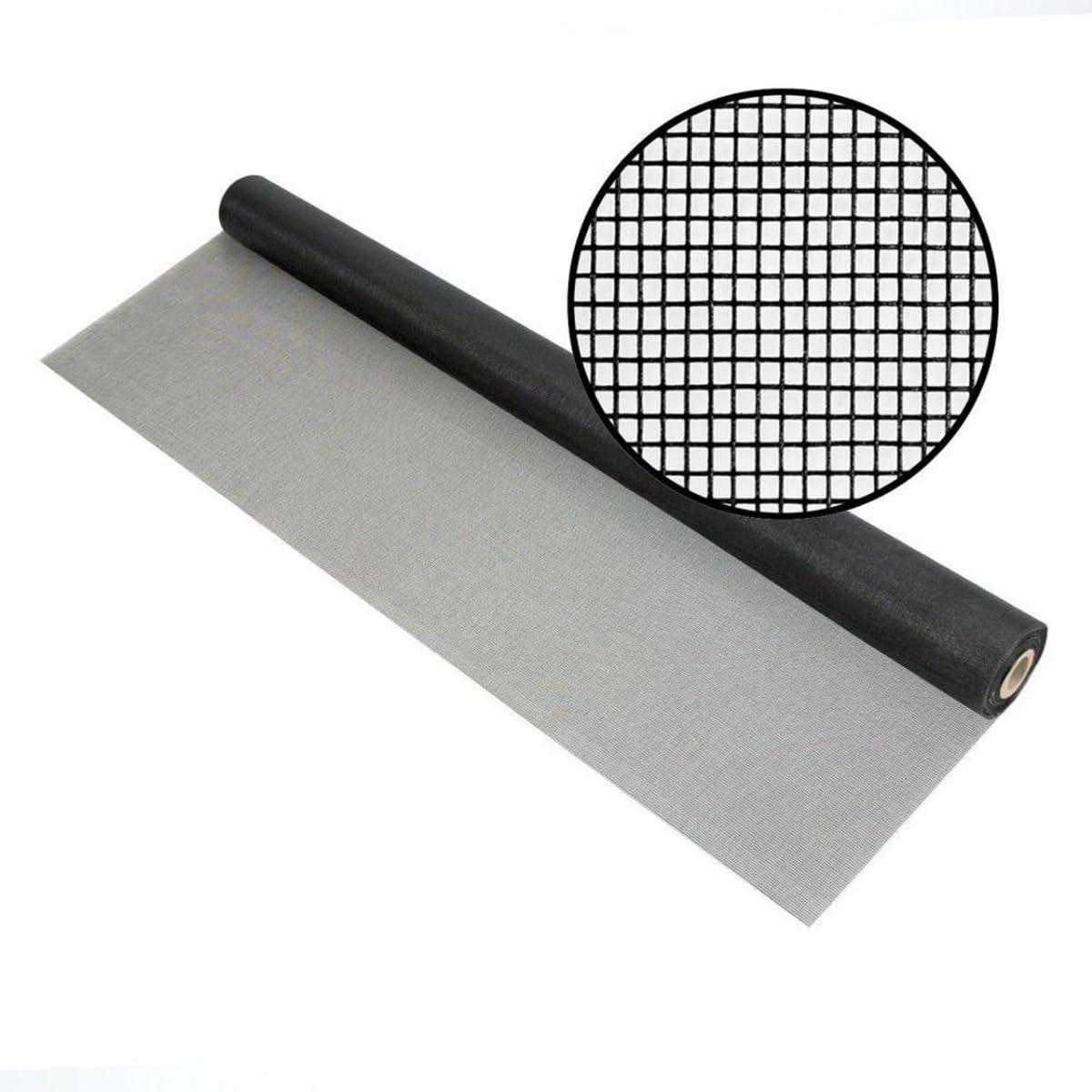
1. Standard Fiberglass Screen Mesh


Best For:
Mild climates
Low-stress areas
Budget-friendly replacements
Benefits:
Affordable
Flexible
Easy to install
Good airflow
Limitations:
Less resistant to UV exposure
Can become brittle in extreme sun
Tears more easily than heavy-duty options
Fiberglass mesh is one of the most common choices for residential window screen replacement and patio enclosures in moderate climates.
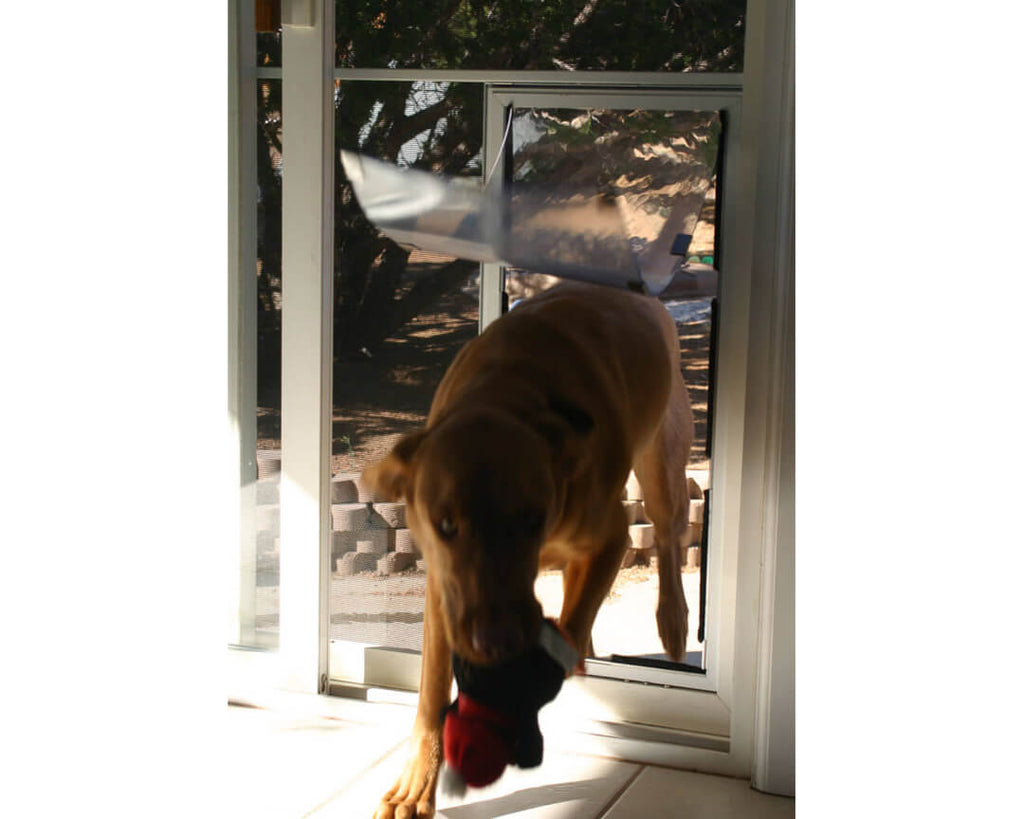
2. Heavy-Duty or Pet-Resistant Screen Mesh


Best For:
Homes with pets
High-traffic areas
Wind-prone regions
Benefits:
Thicker and stronger
Resistant to scratches and impact
Longer lifespan
Limitations:
Slightly reduced airflow
Higher cost
In storm-prone areas or homes with active pets, pet-resistant mesh offers better durability and fewer repair needs.
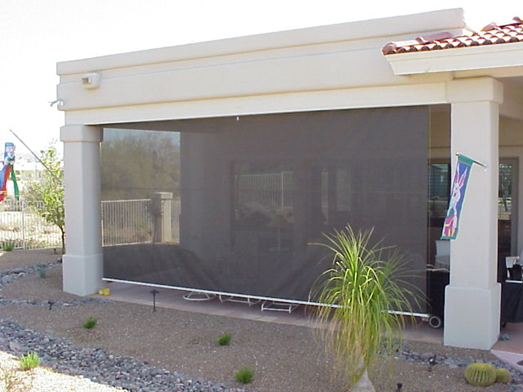
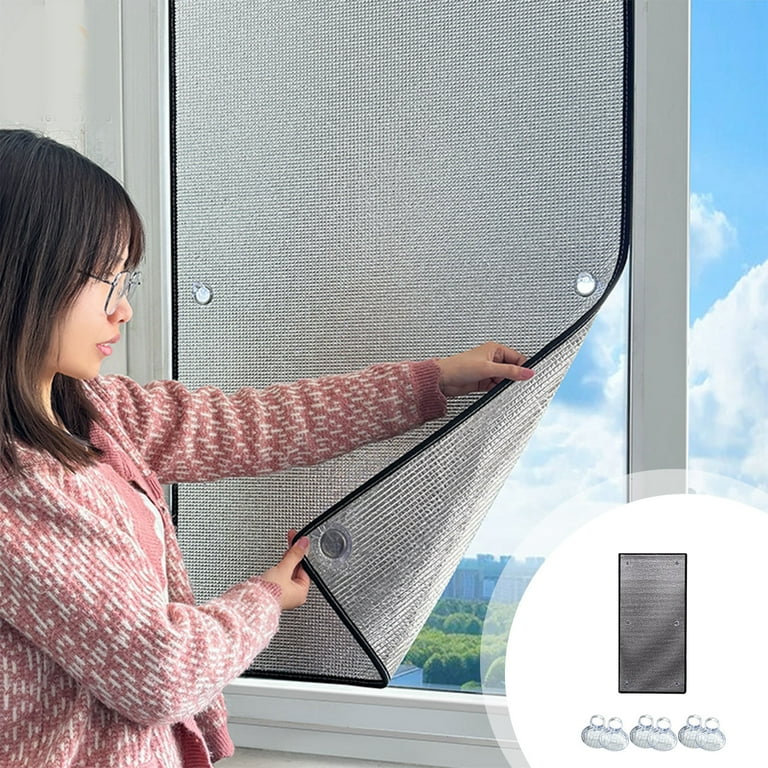
3. Solar Screen Mesh for Hot and Sunny Climates

Best For:
Hot climates
High UV exposure regions
South-facing patios
Benefits:
Blocks up to 70–90% of UV rays
Reduces indoor heat
Lowers cooling costs
Minimizes glare
Limitations:
Slightly darker visibility
Higher upfront cost
For homeowners in sunny states, solar screen mesh is a smart investment for comfort and energy efficiency.
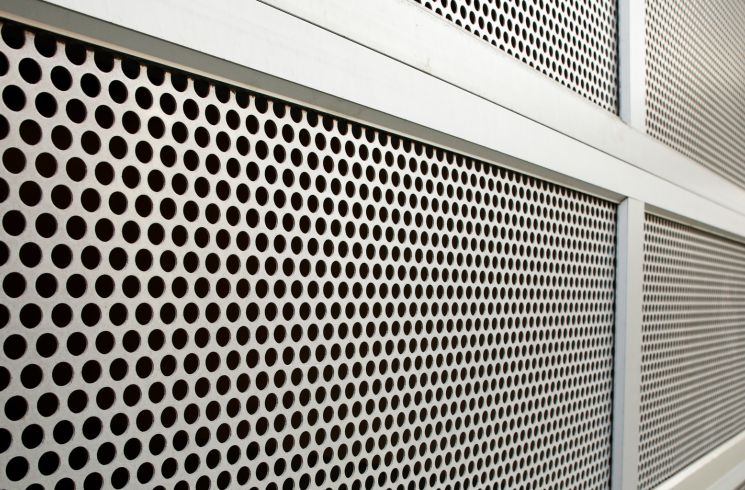
4. Aluminum Screen Mesh


Best For:
Coastal climates
Areas with salt air
Long-term durability needs
Benefits:
Stronger than fiberglass
More resistant to corrosion (when coated)
Long-lasting
Limitations:
Can dent
Slightly more expensive
Aluminum mesh works well in humid or coastal environments when properly maintained.
Choosing the Best Screen Mesh for Hot Climates
In areas with intense sunlight and high temperatures, UV damage is the biggest threat.
Recommended Options:
Solar screen mesh
UV-resistant fiberglass
Heavy-duty mesh
Key Features to Look For:
Fade resistance
Heat reduction properties
Long lifespan
If your patio gets direct sun most of the day, investing in heat-blocking screen material reduces indoor cooling costs.
Choosing the Best Screen Mesh for Humid and Rainy Climates
Humidity increases mold and corrosion risks.
Recommended Options:
Vinyl-coated fiberglass mesh
Corrosion-resistant aluminum mesh
Important Considerations:
Rust-resistant fasteners
Proper installation tension
Good drainage and airflow
Humidity weakens inferior materials quickly, so quality matters.
Best Screen Mesh for Coastal Areas with Salt Air
Salt air accelerates corrosion and material breakdown.
Ideal Options:
Aluminum screen mesh with protective coating
Marine-grade materials
Stainless steel hardware
Coastal homeowners should schedule regular inspections to prevent rust-related damage.
Best Screen Mesh for Storm-Prone or Hurricane Areas
High winds can tear weak mesh easily.
Choose:
Heavy-duty screen mesh
Tightly tensioned installation
Reinforced frame support
Upgrading to durable materials reduces emergency repair costs after storms.
Airflow vs Durability: Finding the Right Balance
Many homeowners want maximum airflow while maintaining strength.
Standard mesh provides better airflow, while heavy-duty mesh increases durability.
Discuss your priorities with a licensed screen repair professional to find the right balance.
How Long Does Screen Mesh Typically Last?
Lifespan depends on material and climate:
Standard fiberglass: 7–10 years
Heavy-duty mesh: 10–15 years
Solar screen: 10+ years
Aluminum mesh: 10–15 years
Proper maintenance extends longevity.
Signs You Chose the Wrong Screen Mesh for Your Climate
Frequent tears
Rapid fading
Sagging mesh
Corrosion around fasteners
Increased repair costs
If repairs become frequent, upgrading materials may be more cost-effective.
Professional Installation Matters More Than You Think
Even the best screen mesh will fail if poorly installed.
Professional installation ensures:
Correct tension
Secure spline placement
Proper frame alignment
Long-term durability
Hiring experienced contractors prevents premature damage.
Maintenance Tips to Maximize Screen Mesh Lifespan
Rinse screens with clean water periodically
Remove debris after storms
Inspect frames annually
Tighten loose fasteners
Upgrade aging panels early
Routine care saves money long term.
Final Thoughts: Invest in the Right Screen Mesh for Long-Term Protection
Choosing the right screen mesh for your climate isn’t just about appearance — it’s about durability, energy efficiency, and long-term value.
By understanding your local weather conditions and selecting materials designed to withstand them, you reduce repair frequency and protect your outdoor living space.
Before your next screen replacement project, consult with a professional who understands climate-specific installation and material options.
The right choice today can prevent costly repairs tomorrow.


