
How to Tell If Your Sliding Door Screen Needs Replacing
A sliding door screen plays a bigger role in your home than most people realize. It allows fresh air to flow inside, keeps insects out, and improves comfort without increasing your energy bill. But because it is used daily, exposed to weather, and constantly sliding along its track, it eventually wears out.
Many homeowners wait until the screen is completely torn before taking action. Unfortunately, by that point, the damage often affects more than just the mesh.
If you’ve searched for:
“signs sliding screen door needs replacement”
“repair or replace sliding screen door”
“cost to replace sliding door screen”
This detailed guide will help you understand exactly when replacement is the smarter option.
Why Sliding Door Screens Wear Out Over Time


Sliding door screens experience constant stress from:
Daily opening and closing
Pets pushing against the mesh
Children handling the frame
Sun exposure and UV damage
Rain, wind, and humidity
Over time, even high-quality screen doors show signs of deterioration. Recognizing early warning signs can save you money and prevent further damage.
1. Visible Tears or Holes in the Screen Mesh
This is the most obvious sign your sliding door screen needs replacing.
Small holes can quickly turn into large tears due to:
Wind pressure
Pets scratching
Loose tension
Even minor damage allows insects, dust, and debris inside. If the tear continues to grow despite patching attempts, replacement is usually the better long-term solution.
2. Sagging or Loose Screen Material

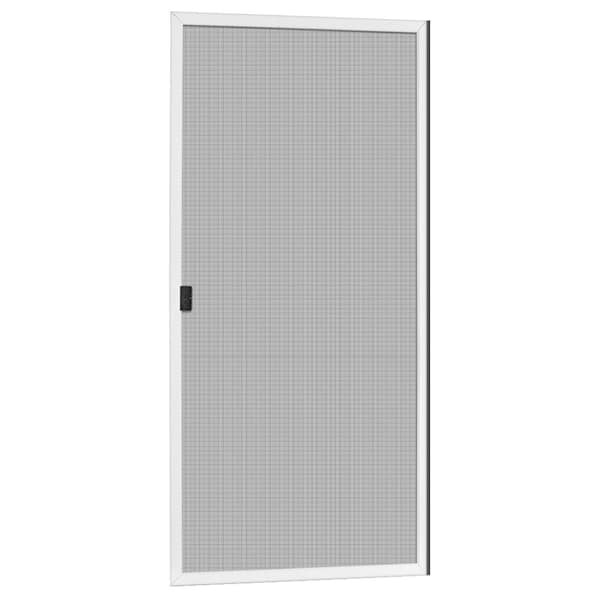
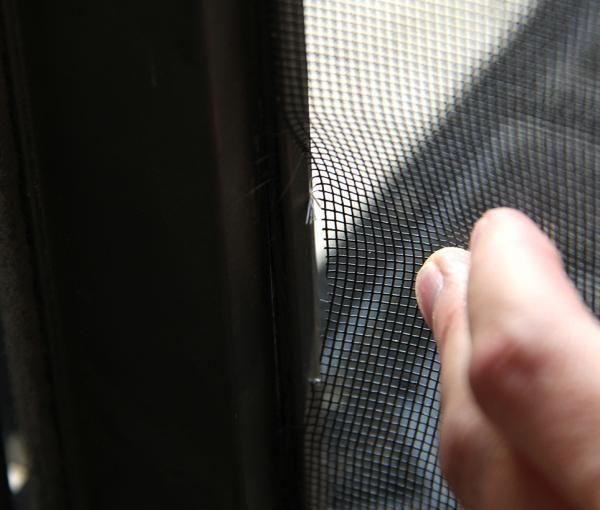
When the screen mesh loses tension, it begins to sag.
This can happen due to:
Worn-out spline
Poor initial installation
Frame warping
Temperature fluctuations
Loose mesh not only looks unattractive but also reduces durability. If re-tensioning no longer solves the issue, full screen replacement may be necessary.
3. Bent or Warped Sliding Screen Door Frame
A damaged frame is a serious concern.
Signs include:
Door not sitting properly on track
Uneven gaps along edges
Difficulty sliding
If the aluminum frame is bent or twisted, replacing just the mesh will not fix the issue. In these cases, replacing the entire sliding screen door is often recommended.
4. Difficulty Sliding the Screen Door


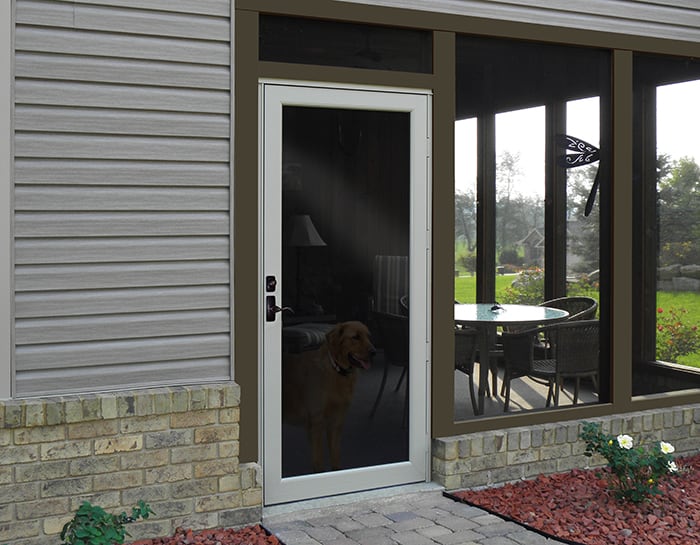
If your sliding door screen:
Drags along the track
Falls off the track
Feels heavy or stuck
The problem may involve worn rollers or track damage.
While roller replacement can fix many issues, older doors with multiple failing components may be more cost-effective to replace.
5. Corrosion or Rust on Frame and Hardware
In humid or coastal climates, corrosion is common.
Watch for:
Rusted screws
Corroded roller housing
Frame discoloration
Rust weakens structural integrity. If corrosion is extensive, replacing the door ensures long-term reliability.
6. Frequent Repairs in a Short Period
If you find yourself repairing:
Mesh tears repeatedly
Roller adjustments often
Track misalignment regularly
It may be time to stop investing in temporary fixes and consider full replacement.
Sometimes ongoing repairs cost more over time than installing a new sliding door screen.
7. The Screen Is Over 10 Years Old
Most sliding screen doors last between 8–15 years depending on:
Climate
Usage
Material quality
Maintenance
If your screen door is over a decade old and showing signs of wear, replacement is often the smarter long-term decision.
Repair vs Replace: How to Make the Right Decision
Here’s a simple comparison.
Repair Is Ideal When:
Only the mesh is damaged
Rollers need minor adjustment
The frame is intact
Door is relatively new
Replacement Is Better When:
Frame is bent or warped
Multiple components are failing
Corrosion is severe
Repairs are becoming frequent
A professional inspection helps determine the most cost-effective option.
Cost Considerations for Sliding Door Screen Replacement
Replacement cost depends on:
Door size
Frame material (aluminum, vinyl, steel)
Mesh type (standard, pet-resistant, solar)
Labor rates in your area
While replacement costs more upfront than minor repairs, it often provides better long-term value.
Benefits of Replacing Your Sliding Door Screen
Upgrading your sliding screen door offers:
Smooth operation
Improved airflow
Better insect protection
Stronger durability
Enhanced curb appeal
Newer models often include upgraded rollers and stronger mesh materials.
Choosing the Right Replacement Screen Mesh
When replacing your sliding screen door, consider:
Pet-resistant mesh for durability
Solar screen for heat reduction
Heavy-duty mesh for windy areas
Standard fiberglass for affordability
Selecting the right material ensures longer lifespan.
How to Extend the Life of Your Sliding Door Screen
Preventative maintenance can reduce replacement frequency:
Clean tracks regularly
Lubricate rollers
Tighten loose hardware
Inspect mesh for small tears
Avoid slamming the door
Small maintenance efforts make a big difference.
Why Professional Installation Matters
Proper installation ensures:
Correct door alignment
Smooth sliding performance
Secure mesh tension
Long-term durability
DIY replacements often result in uneven tension or track misalignment.
Frequently Asked Questions About Sliding Door Screen Replacement
How long does it take to replace a sliding screen door?
Most professional replacements take 1–2 hours.
Is replacing cheaper than constant repairs?
If repairs are frequent, replacement is often more cost-effective.
Can I replace just the mesh instead of the whole door?
Yes, if the frame and rollers are still in good condition.
Final Thoughts: Don’t Wait Until It Completely Fails
Your sliding door screen plays an important role in comfort and protection. Waiting too long to replace it can lead to larger issues like frame damage or track misalignment.
If you notice sagging mesh, frequent tears, corrosion, or sliding problems, it may be time to consider replacement.
A professional evaluation ensures you make the right decision — saving money and restoring smooth performance.


