
When to Replace vs. Repair Your Pool Cage Screen
A pool cage screen does more than just keep bugs away. It protects your pool from debris, improves outdoor comfort, adds property value, and enhances your home’s overall appearance.
But over time, exposure to sun, storms, humidity, and daily wear can damage your screen enclosure. When that happens, homeowners often ask:
Should I repair the damaged panels, or is it time to replace the entire pool cage screen?
Making the right choice can save you thousands of dollars while protecting your investment. In this complete guide, we’ll explain the difference between repair and replacement, signs to watch for, cost considerations, and expert recommendations.
Why Pool Cage Screens Deteriorate Over Time
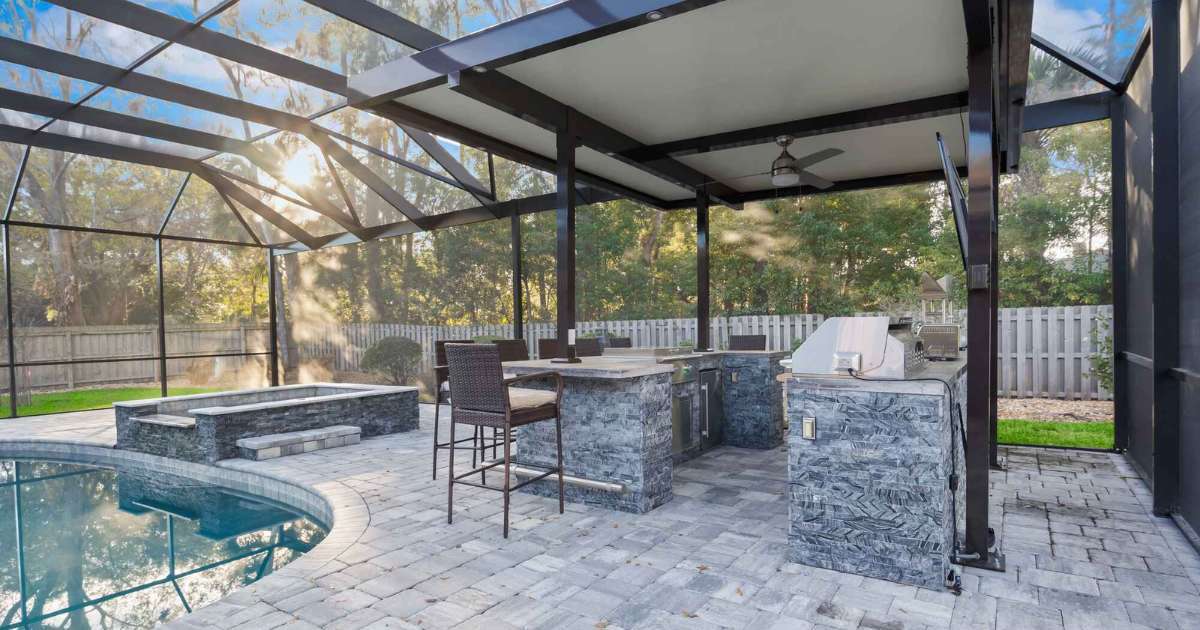


Pool cage screens are constantly exposed to:
Strong UV rays
Heavy rain and wind
Hurricanes or tropical storms
High humidity
Salt air in coastal areas
Most standard fiberglass pool screen mesh lasts 7–12 years, depending on climate and maintenance.
Understanding the type and extent of damage helps determine whether pool cage screen repair or full replacement is the better option.
Signs You Only Need Pool Cage Screen Repair
Not all damage requires a full rescreen. In many cases, professional repair is the most cost-effective solution.
1. Small Tears or Isolated Screen Panel Damage
If only one or two panels are torn due to:
Falling branches
Pets scratching
Accidental impact
A professional can replace just those panels without removing the entire enclosure mesh.
Best Solution:
Individual panel replacement with properly tensioned mesh and new spline.
2. Recent Storm Damage to Limited Sections
After a storm, you may notice only certain areas affected.
If:
The frame is intact
The majority of mesh is still strong
Damage is limited to specific panels
Repair is usually sufficient.
3. Screens Under 5–7 Years Old
If your enclosure was recently rescreened and damage is isolated, full replacement may not be necessary.
Repairing newer screens maintains uniform appearance and saves money.
Signs It’s Time to Replace Your Pool Cage Screen Completely
Sometimes repair becomes a temporary fix rather than a long-term solution.
Here’s when replacement makes more sense.
1. Widespread Brittle or Faded Screen Mesh

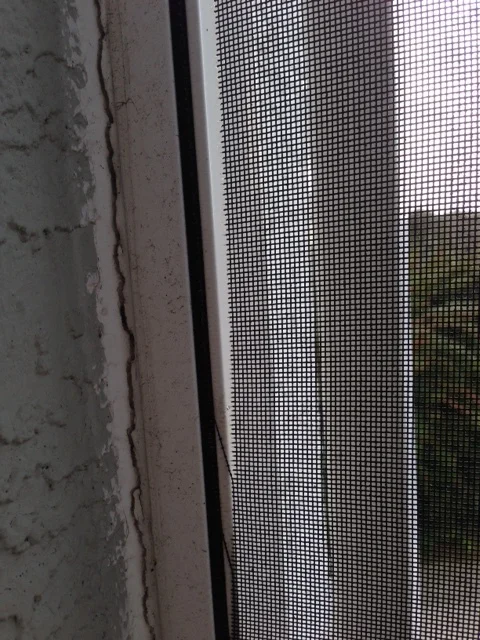

UV exposure weakens fiberglass mesh over time. Signs include:
Fading or discoloration
Brittleness when touched
Multiple small tears appearing frequently
If new tears keep forming, replacing the entire screen ensures long-term durability.
2. Multiple Panel Failures Across the Enclosure
If more than 30–40% of panels are damaged, repairing each one individually can cost nearly as much as a full rescreen.
In this case, full replacement is often more cost-effective.
3. Screen Age Over 10–12 Years
Even if visible damage is minimal, older screens lose tension and strength.
Upgrading provides:
Better insect protection
Improved appearance
Stronger wind resistance
4. Major Hurricane or Structural Impact Damage


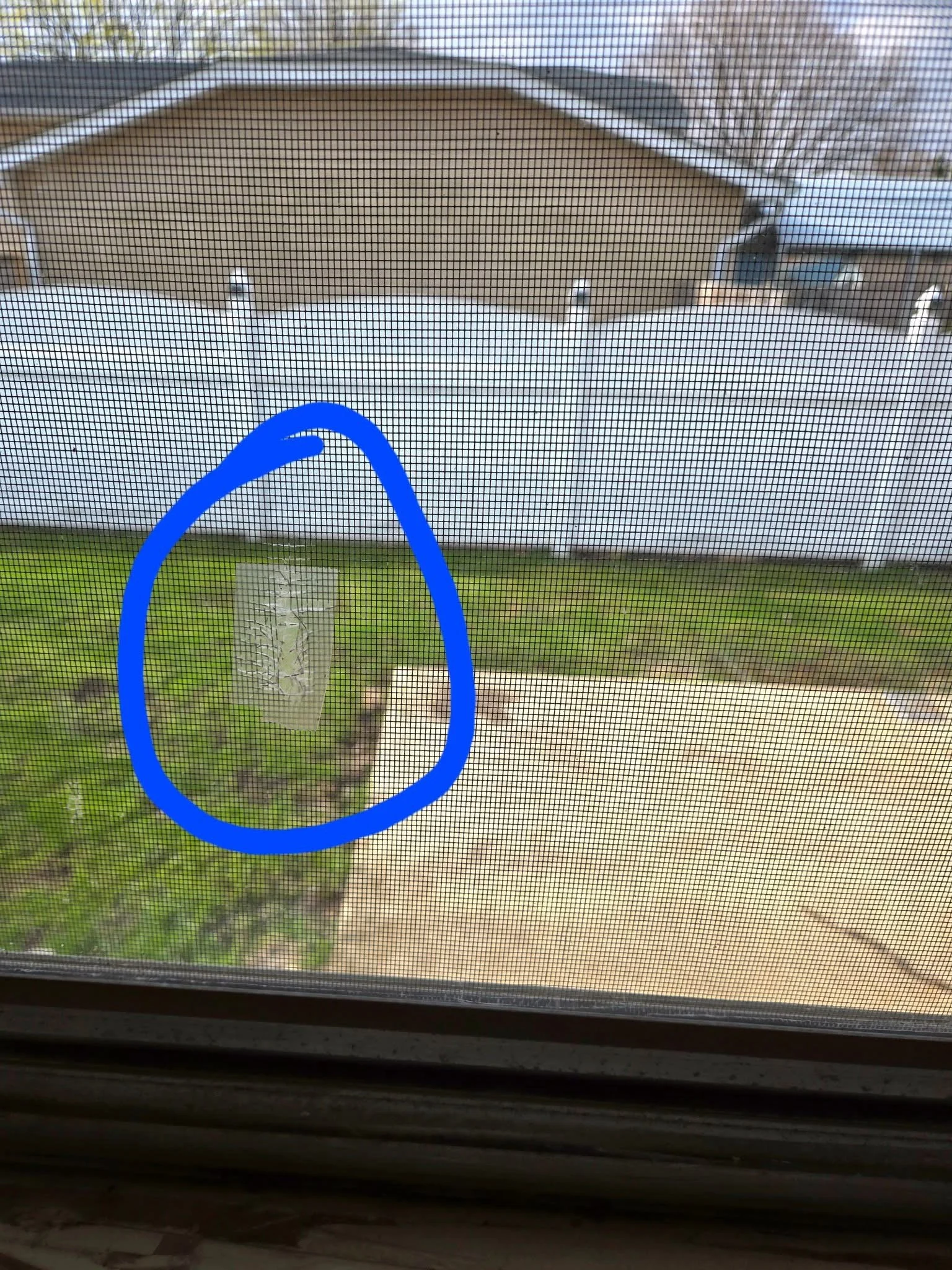
After severe storms:
Multiple panels may rip
Mesh tension becomes uneven
Frame stress increases
A full rescreen restores uniform strength and appearance.
Cost Comparison: Repair vs. Full Pool Cage Rescreen
Pool Cage Screen Repair Costs Depend On:
Number of panels replaced
Mesh type (standard, pet-resistant, solar)
Labor time
Accessibility of damaged area
Full Pool Cage Screen Replacement Costs Depend On:
Total enclosure size
Material quality
Structural adjustments
Labor and equipment
While full replacement has higher upfront cost, it often provides better long-term value when damage is widespread.
Benefits of Choosing Full Pool Cage Screen Replacement
When replacement is necessary, homeowners gain:
Uniform appearance
Improved durability
Enhanced wind resistance
Upgraded material options
Increased home value
Many homeowners take this opportunity to upgrade to heavy-duty or pet-resistant screen mesh.
Benefits of Repairing Instead of Replacing
If damage is limited, repair offers:
Lower immediate cost
Faster turnaround time
Minimal disruption
Preservation of newer materials
The key is proper inspection by a licensed pool cage repair professional.
How Professionals Determine Whether to Repair or Replace
Experienced contractors evaluate:
Screen age
Number of damaged panels
Frame integrity
Mesh strength and flexibility
Future storm risk
A trustworthy company will recommend the most practical and cost-effective solution — not just the most expensive option.
Can You DIY Pool Cage Screen Repairs?
DIY kits are available, but:
Proper tension is difficult to achieve
Incorrect spline installation leads to sagging
Uneven mesh affects wind resistance
For structural or high panels, professional installation is safer and more durable.
How to Extend the Life of Your Pool Cage Screen
Preventative maintenance makes a big difference.
Inspect screens after storms
Wash debris and salt buildup
Trim nearby trees
Upgrade weak panels early
Schedule routine inspections
Regular care reduces the need for emergency pool cage screen repair services.
Frequently Asked Questions About Pool Cage Screen Repair and Replacement
How long does a pool cage screen last?
Most screens last 7–12 years depending on climate and maintenance.
Is it cheaper to repair or replace?
Repair is cheaper for isolated damage. Replacement is better for widespread wear.
How long does full rescreening take?
Most professional rescreen projects take 1–3 days depending on enclosure size.
Final Thoughts: Make the Smart Decision for Your Pool Enclosure
Knowing when to replace vs. repair your pool cage screen can protect your investment and save money.
If damage is minor and localized, professional repair is often the right choice. But if screens are aging, brittle, or widely damaged, full replacement offers better long-term value.
A licensed pool cage screen repair company can inspect your enclosure and guide you toward the best solution — ensuring your outdoor space remains safe, clean, and enjoyable for years to come.


